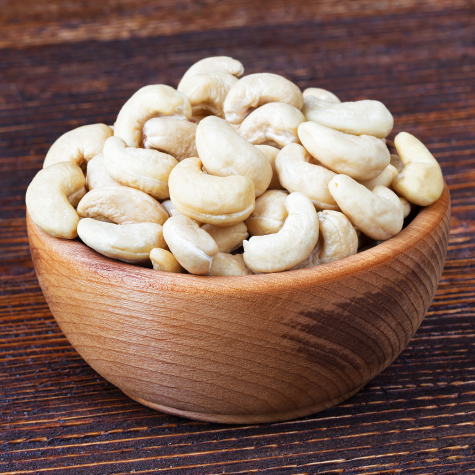
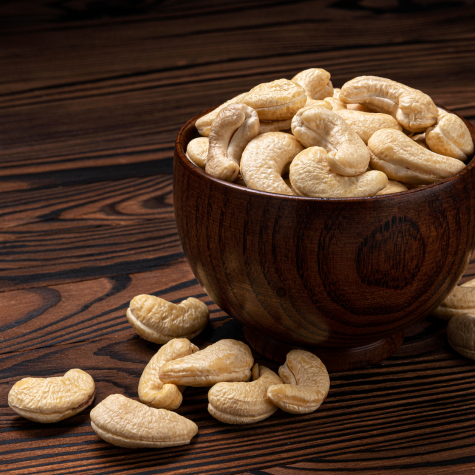
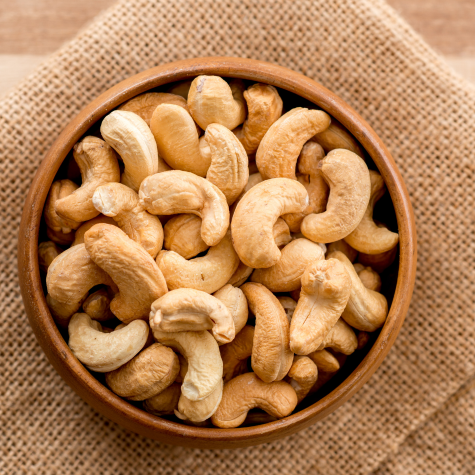
1. Overview Scientific Name: Anacardium occidentale Origin: India, Vietnam, Nigeria, Ivory Coast, Brazil Taste Profile: Buttery, mildly sweet, and creamy Nutritional Benefits: Rich in protein, healthy fats, magnesium, and antioxidants 2. Types of Cashew Nuts Raw Cashew Nuts (RCN) – In-shell nuts used for further processing. Processed Cashew Nuts – Shelled and ready for consumption. Cashew Kernels – Graded based on size, shape, and color. Cashew Splits & Pieces – Used in confectionery, snacks, and cooking. Flavored Cashews – Roasted with spices, honey, or chocolate coating. 3. Grading of Cashew Kernels Whole Cashews: W180 (King of Cashews – Largest) W210 (Jumbo) W240 (Large) W320 (Standard – Most Popular) W450 (Smaller Size) Broken Cashews: Splits, LWP (Large White Pieces), SWP (Small White Pieces), BB (Baby Bits) 4. Uses of Cashew Nuts Eaten as a snack (raw, roasted, or flavored). Used in confectionery, bakery, and dairy products. Processed into cashew butter, cashew milk, or cashew oil. Used in traditional and Asian cuisine for cooking